
 HSA ~25.19
Pure Encapsulations• PUR-VDK41
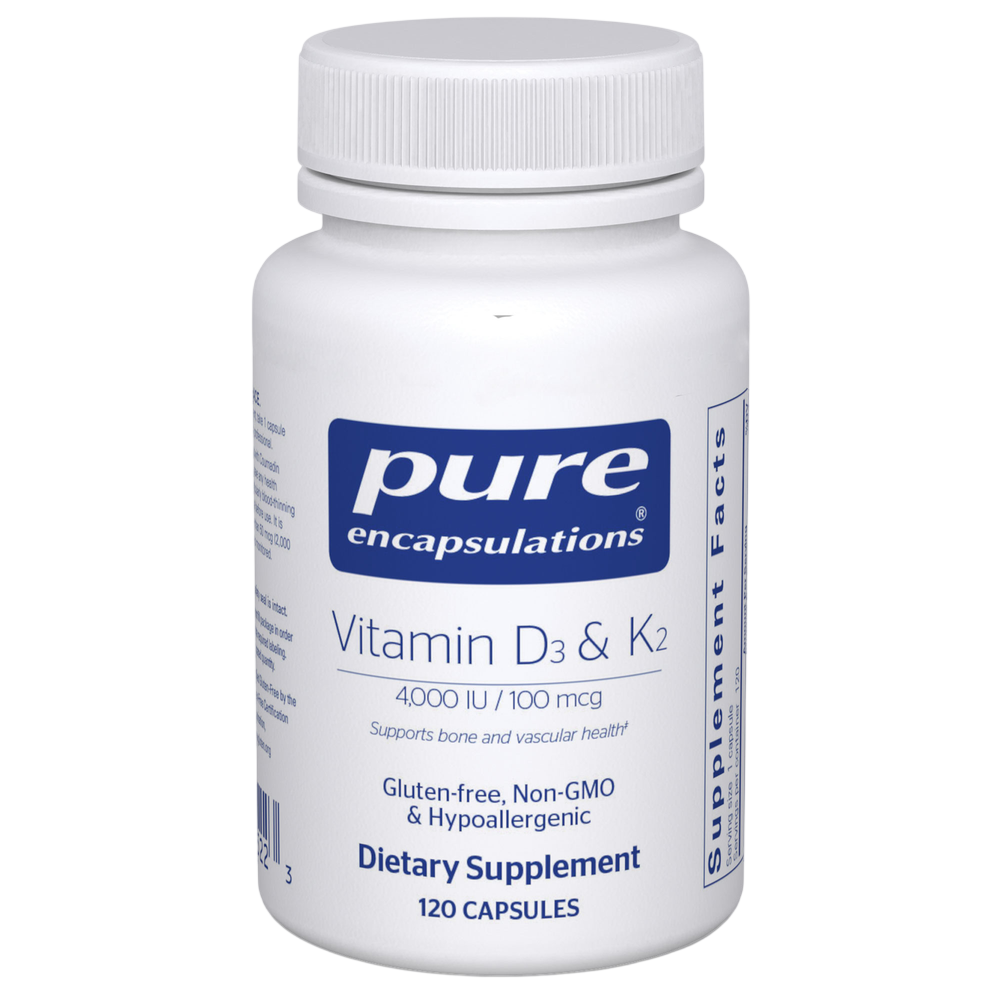
Vitamin D3 + K2 (5000 IU / MK-7)
$35.99LMN-213D
View Stores & Claim HSAProfound suppression of gastric hydrochloric acid elevates intragastric pH above 4.0, preventing dietary protein-bound B12 cleavage, reducing ferric-to-ferrous non-heme iron conversion, impairing TRPM6/7 magnesium transporter solubility, and correlating with FDA Safety Warnings for hypomagnesemia, B12 deficiency, and osteoporosis-related fracture risk.
Prefer amino-acid chelated minerals (glycinate, bisglycinate) or MCHC over poorly soluble carbonate/oxide salts when taking daily PPIs. Avoid abruptly stopping high-dose PPIs due to rebound acid hypersecretion without physician taper.
Amino acid chelated magnesium bypasses low stomach acid dependency unlike poorly absorbed magnesium oxide.
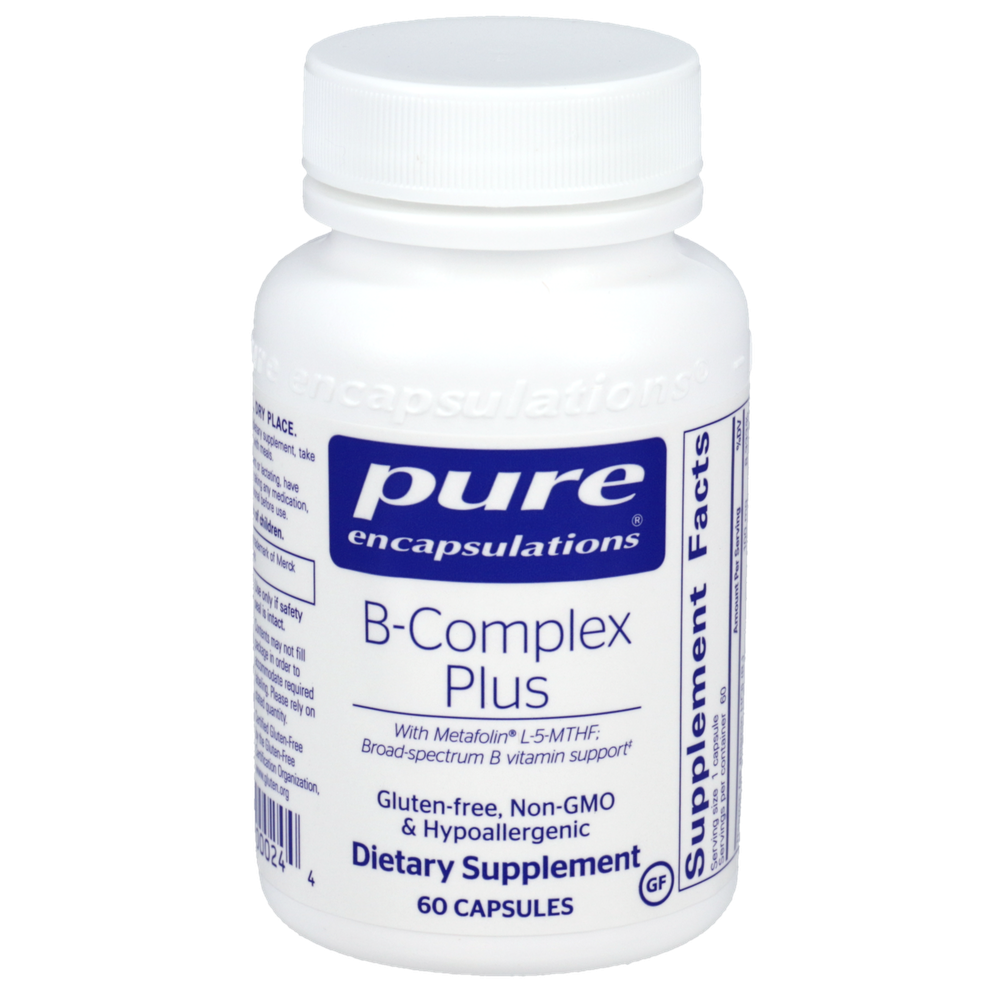
Crystalline / methylated B12 does not require gastric pepsin/HCl cleavage from food proteins for absorption.
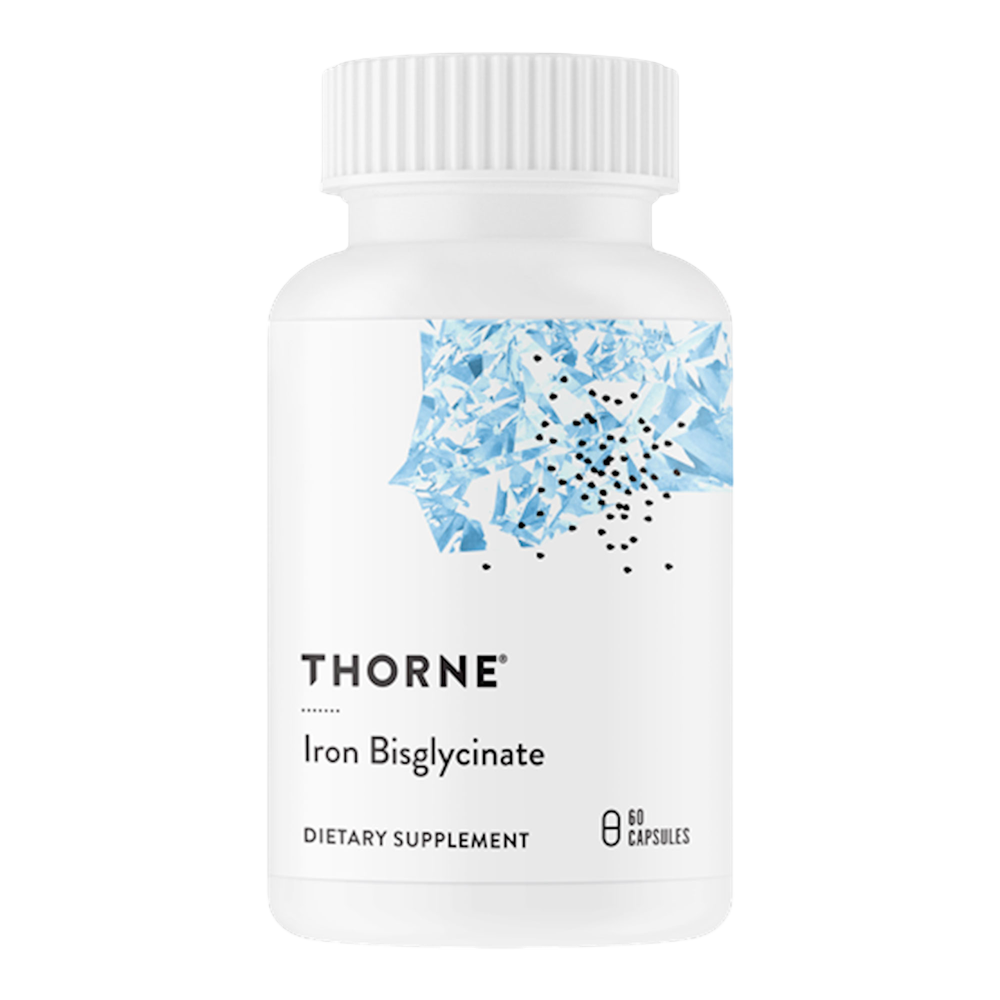
Acid-independent chelated iron and D3/K2 support hemoglobin and bone mineral density during chronic acid suppression.
Quality-verified formulations and home monitoring equipment aligned to PPIs (Omeprazole / Pantoprazole).
HSA ~25.19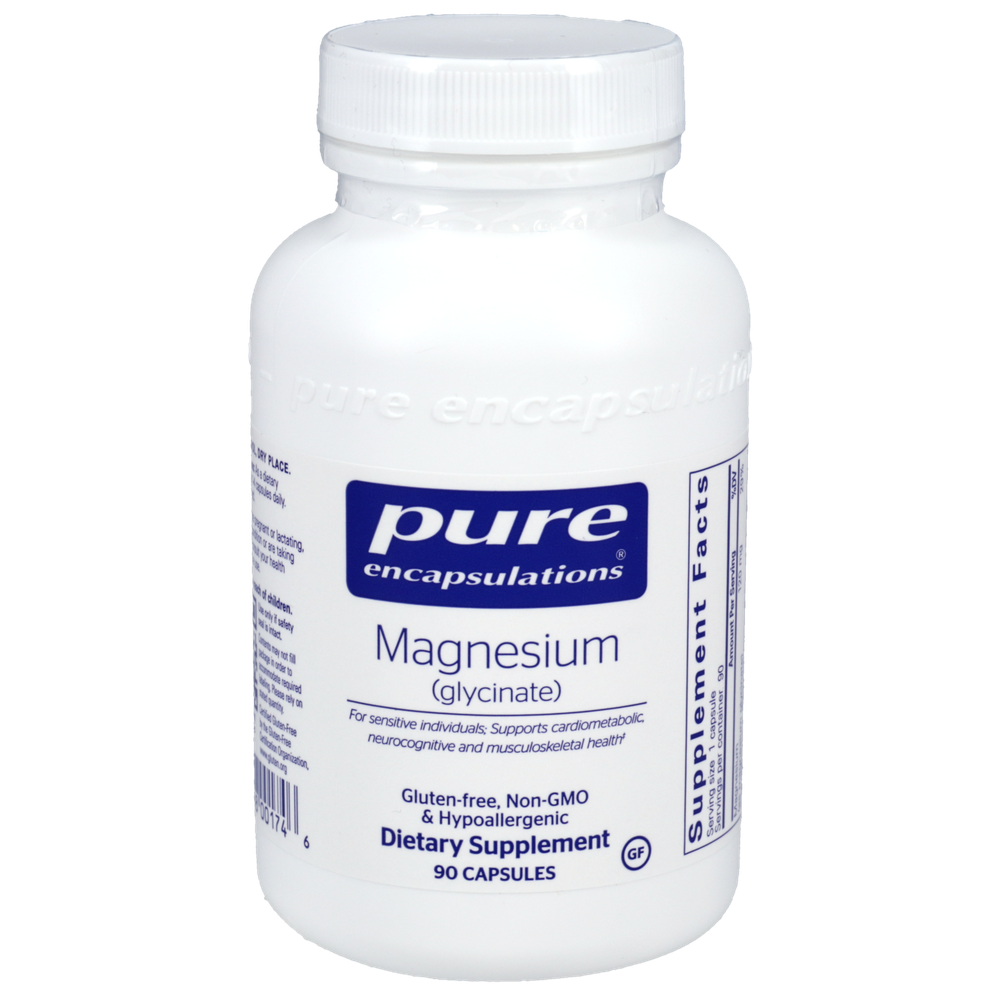 HSA ~19.59
 HSA ~11.89
 HSA ~18.89
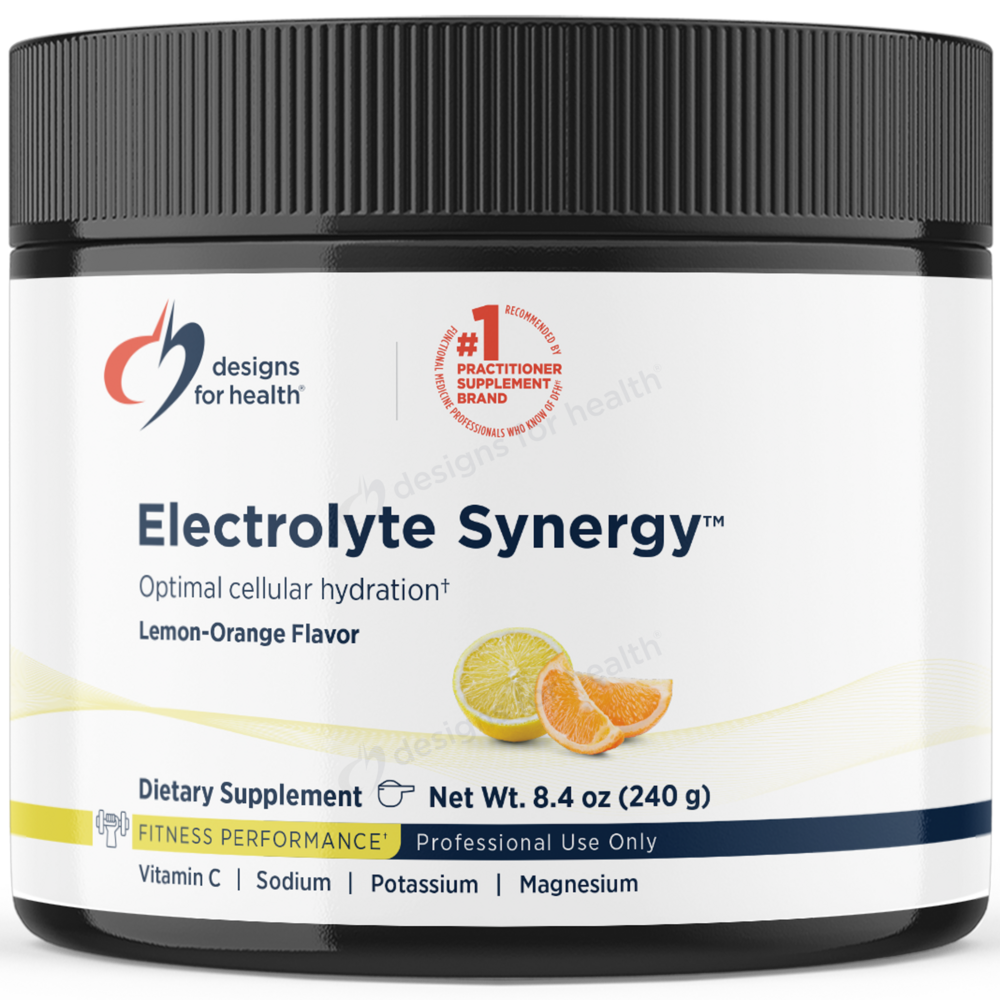 HSA ~33.59
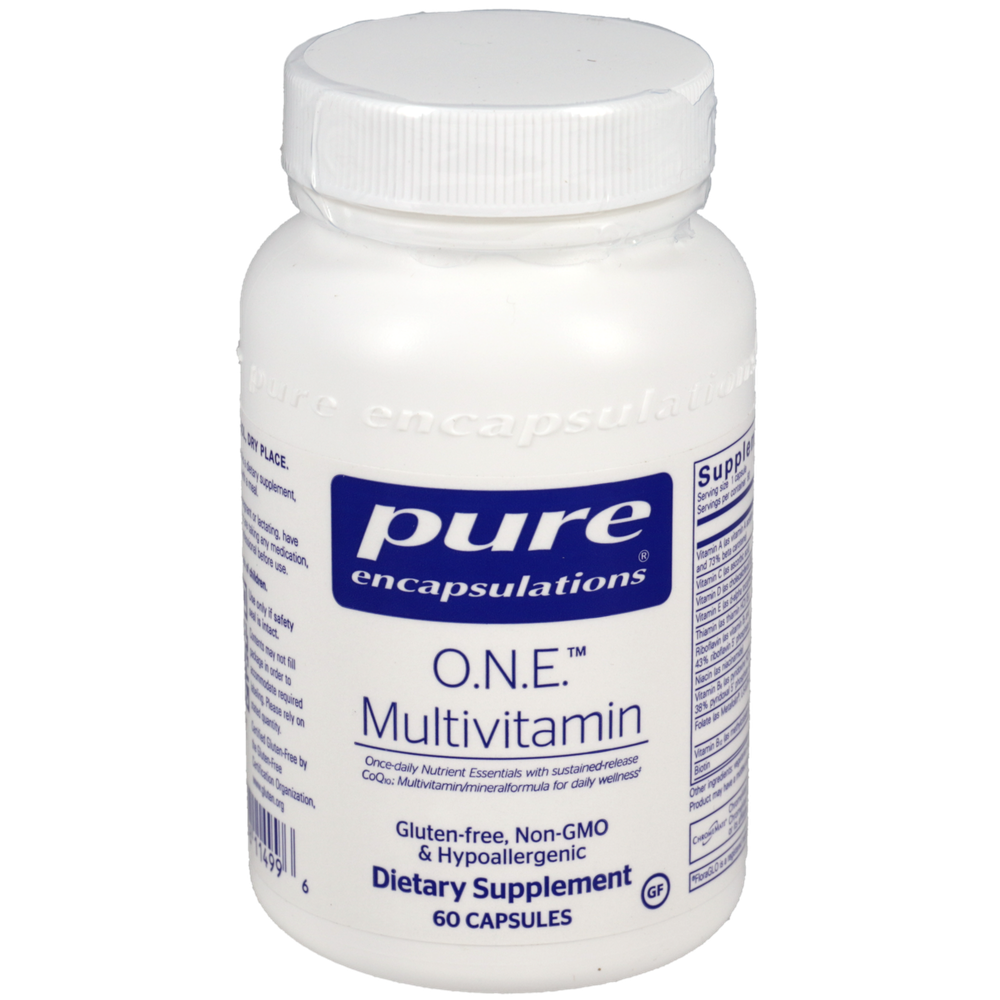 HSA ~34.29
 HSA ~19.59
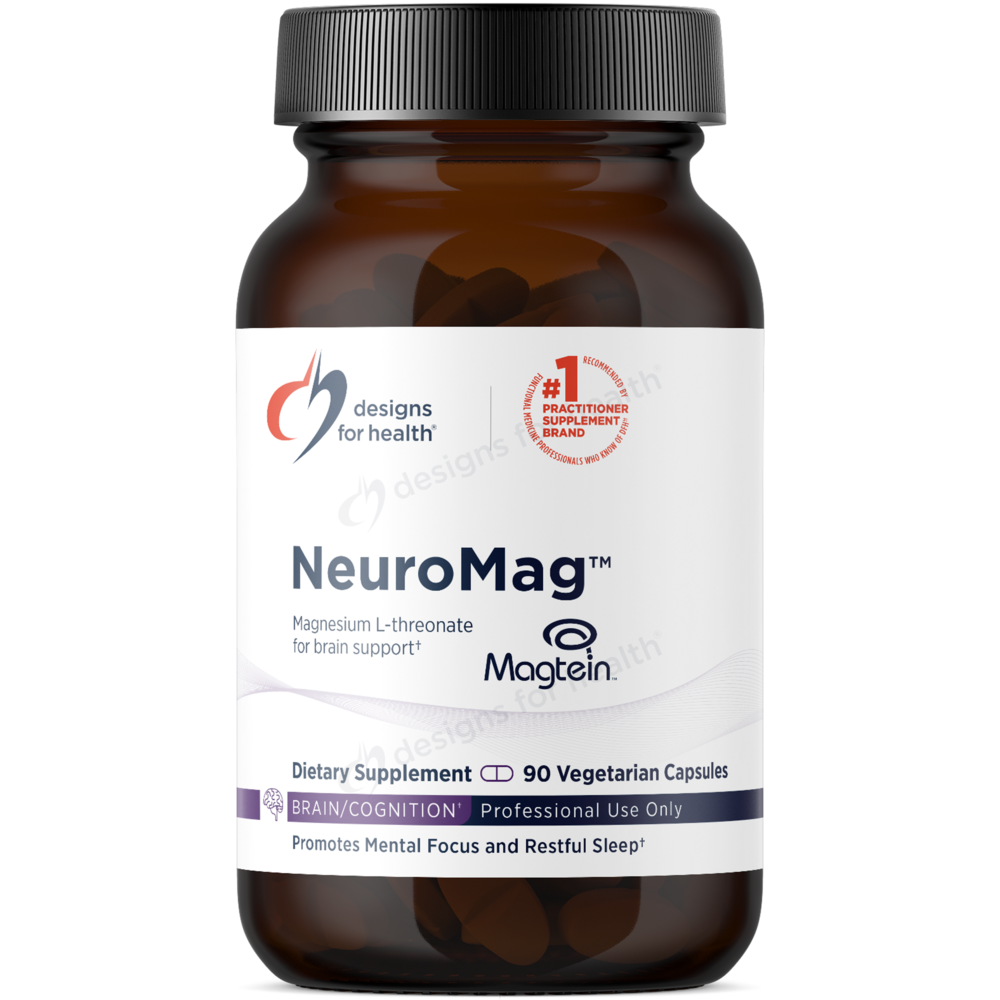 HSA ~46.19
Profound suppression of gastric hydrochloric acid elevates intragastric pH above 4.0, preventing dietary protein-bound B12 cleavage, reducing ferric-to-ferrous non-heme iron conversion, impairing TRPM6/7 magnesium transporter solubility, and correlating with FDA Safety Warnings for hypomagnesemia, B12 deficiency, and osteoporosis-related fracture risk. Key replenishment or monitoring areas include Chelated Magnesium Glycinate (Non-Acid-Dependent) (Amino acid chelated magnesium bypasses low stomach acid dependency unlike poorly absorbed magnesium oxide.); Free-Form Methylcobalamin (Vitamin B12) (Crystalline / methylated B12 does not require gastric pepsin/HCl cleavage from food proteins for absorption.); Ferrous Bisglycinate Iron + MCHC / D3+K2 Bone Matrix (Acid-independent chelated iron and D3/K2 support hemoglobin and bone mineral density during chronic acid suppression.)
Prefer amino-acid chelated minerals (glycinate, bisglycinate) or MCHC over poorly soluble carbonate/oxide salts when taking daily PPIs. Avoid abruptly stopping high-dose PPIs due to rebound acid hypersecretion without physician taper.
Recommended monitoring targets to review with your physician or pharmacist include: Serum Magnesium + Erythrocyte (RBC) Magnesium, Vitamin B12 + Complete Blood Count (CBC), Ferritin + Serum 25(OH) Vitamin D.
Qualified under GERD (K21.9), PPI-associated malabsorption, Iron Deficiency Anemia (D50.9), or Osteopenia (M85.80) with IRS § 213(d) Auto-LMN. Eligible physical products save roughly 22% to 37% (~30% average) when purchased or reimbursed with pre-tax HSA/FSA dollars backed by IRS Section 213(d) documentation.