
Medication Nutrient-Depletion & HSA / FSA Eligibility Checker
Instantly check which vitamins, minerals, muscle-sparing nutrients, or home monitoring devices are impacted by your prescriptions—complete with cation timing separation warnings and real-time pre-tax HSA/FSA savings across 292 verified physical items.
Enter Your Medication Name or Select a Drug Class
Try searching Ozempic, Atorvastatin, Metformin, Omeprazole, or Levothyroxine. Zero account required.
GLP-1 & Dual GIP/GLP-1 Receptor Agonists
Common Agents: Semaglutide (Ozempic, Wegovy, Rybelsus) • Tirzepatide (Mounjaro, Zepbound) • Liraglutide (Victoza, Saxenda) • Dulaglutide (Trulicity)
Caloric restriction and slowed gastric emptying from GLP-1 receptor agonism accelerate disproportionate loss of fat-free skeletal muscle mass (25–40% of weight lost without resistance + protein co-intervention), reduce micronutrient intake, and increase constipation and hypovolemic electrolyte shifts.
Oral medications or capsules may show delayed absorption on GLP-1 therapy; maintain 64+ oz hydration daily with buffered electrolytes and pair protein/creatine with progressive resistance exercise 2–3x/week. Disclose all supplements to prescriber if persistent nausea or biliary symptoms arise.
Documented Depletion & Adjunctive Needs
Supports phosphocreatine ATP regeneration and slows proteolysis during negative energy balance alongside resistance training.
Mitigates GLP-1 delayed gastric emptying, satiety bloating, and slow colonic transit.
Rapid weight reduction decreases mechanical skeletal loading and oral B-vitamin / mineral density.
Labs to Discuss w/ Prescriber
- CMP / eGFR (hydration & creatinine stability)
- Serum 25(OH) Vitamin D (40–60 ng/mL)
- Serum Vitamin B12 + Ferritin
- DEXA Body Composition (Appendicular Lean Mass Index)
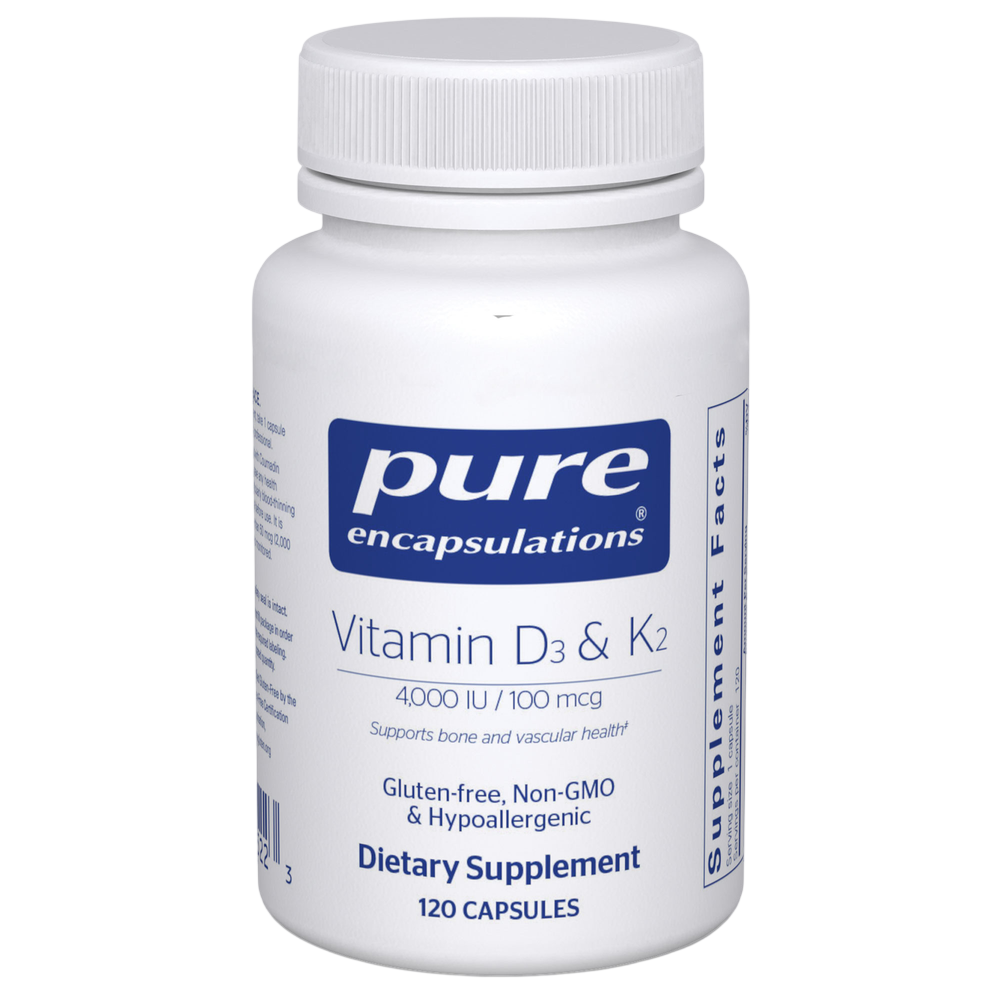
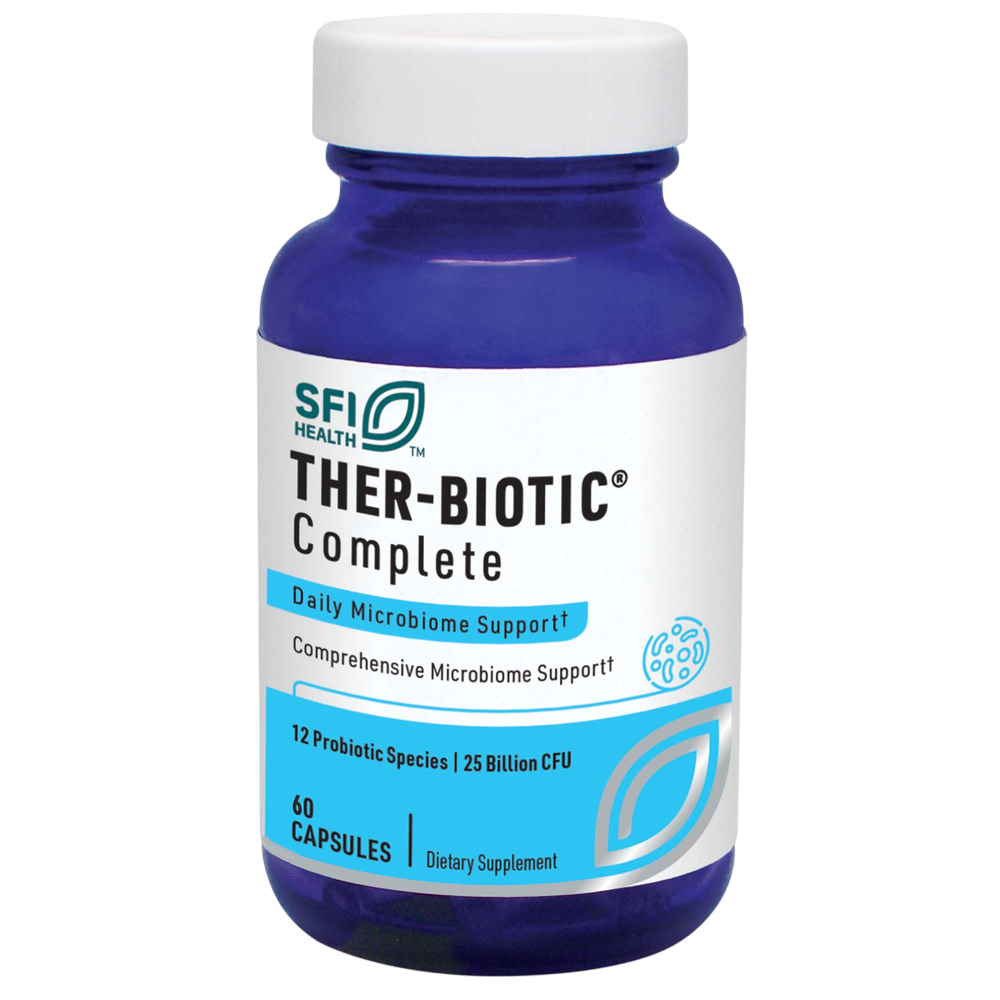
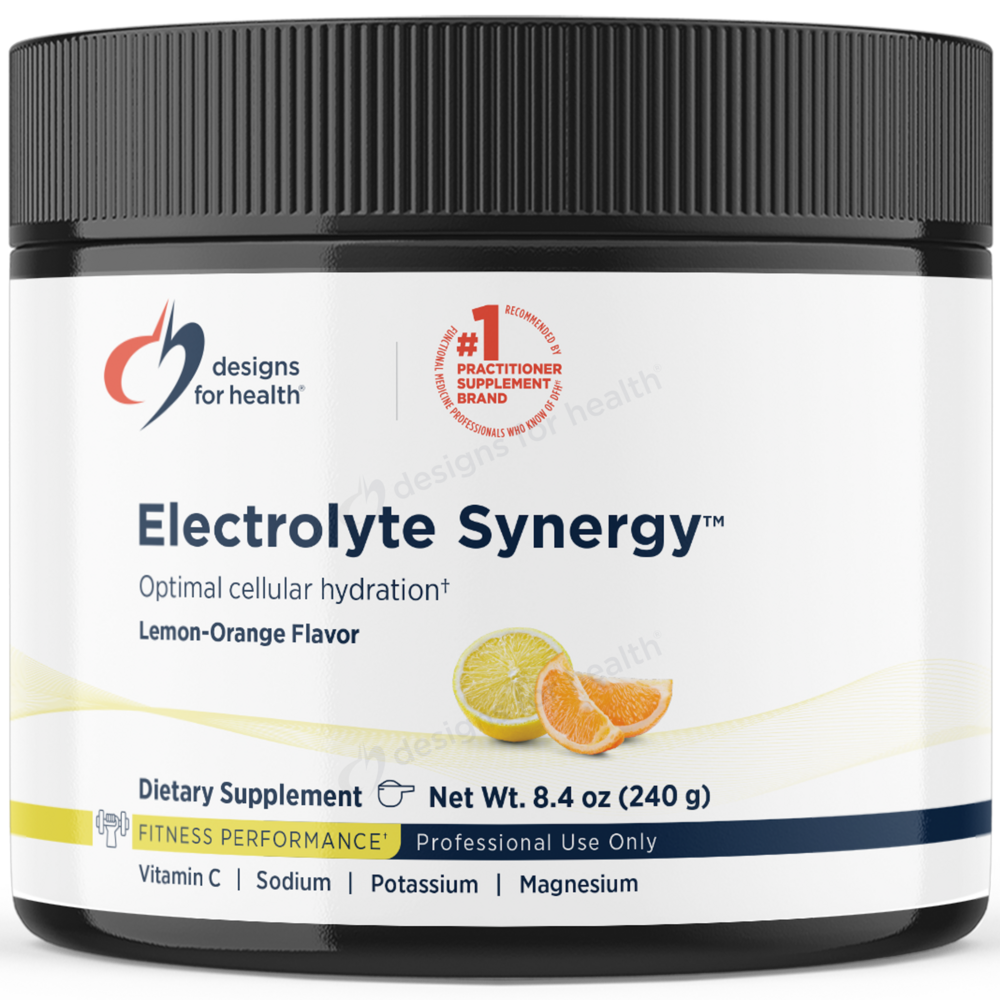
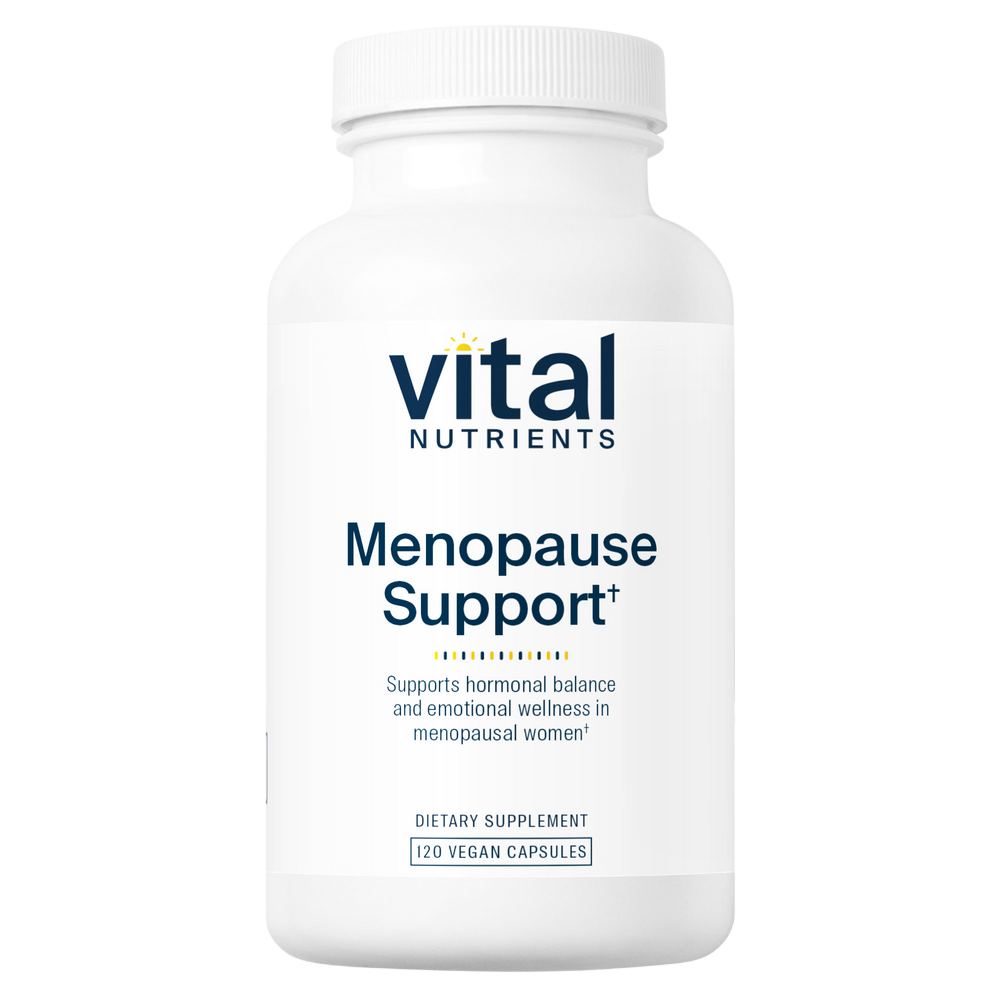
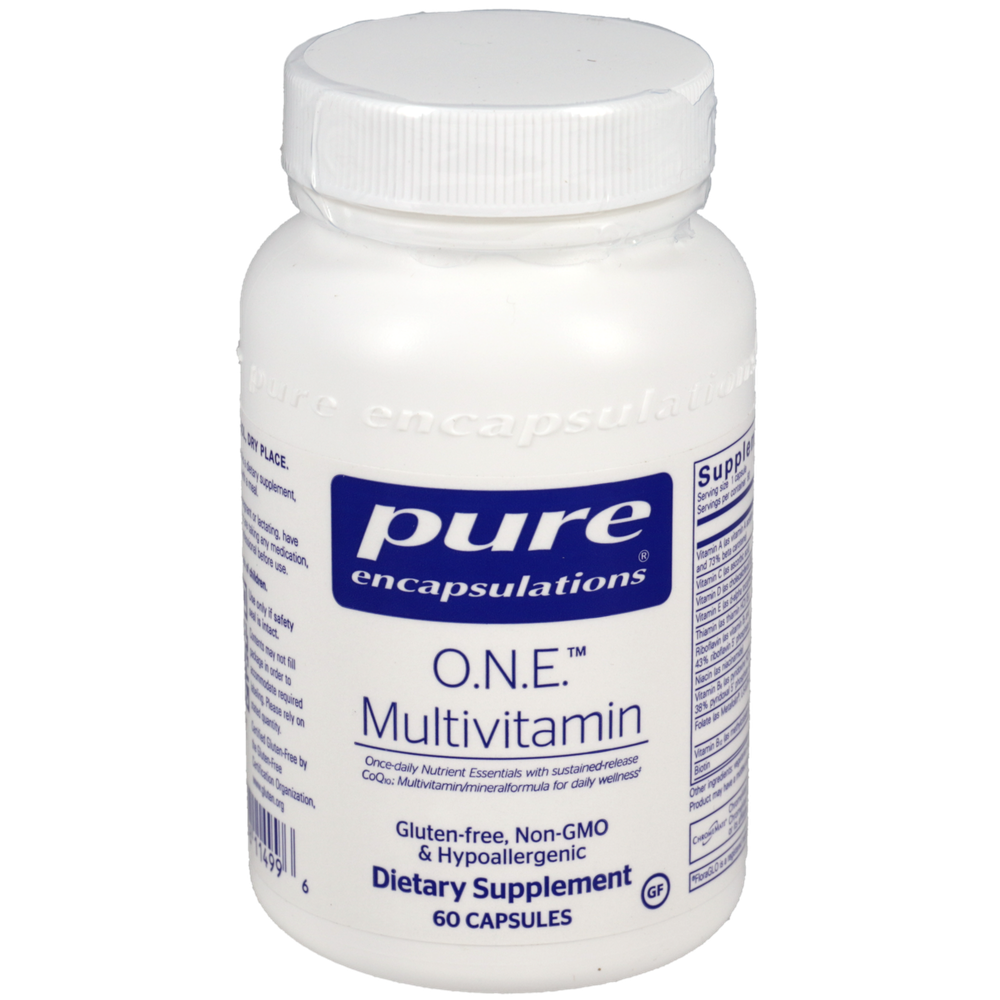
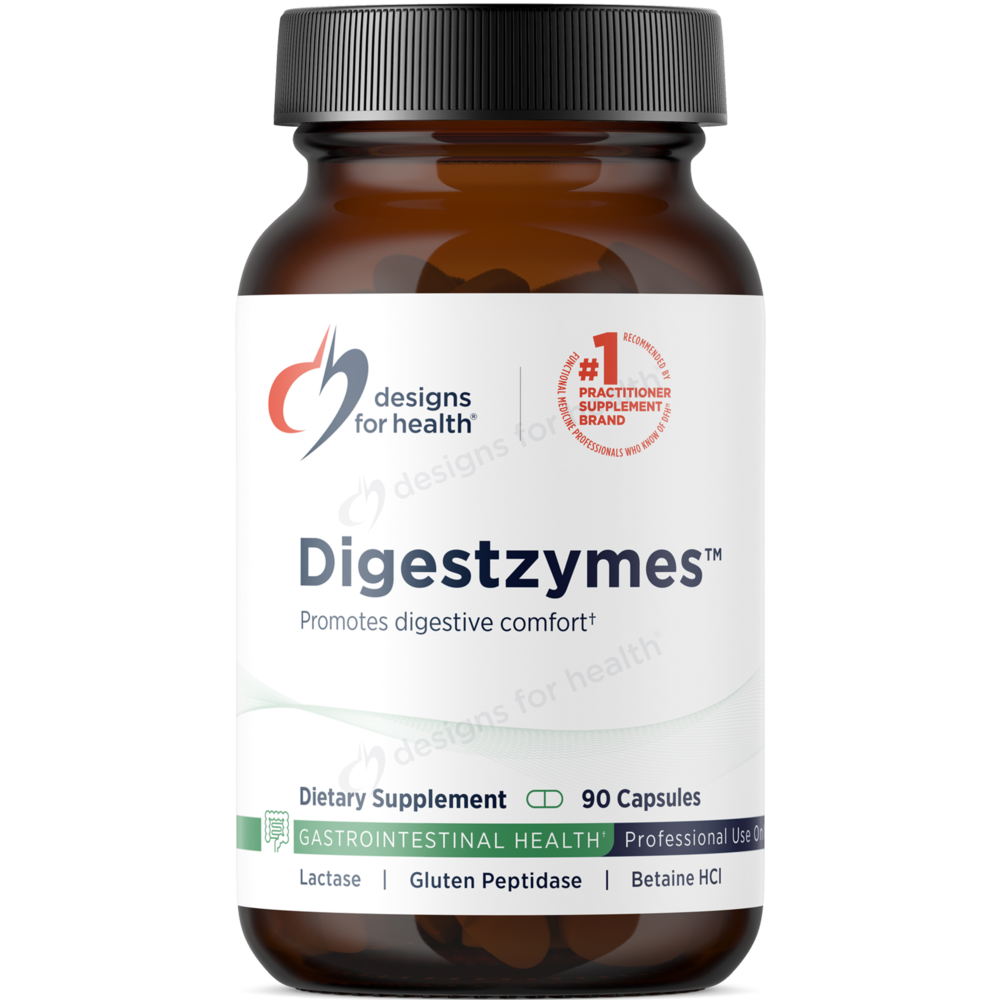
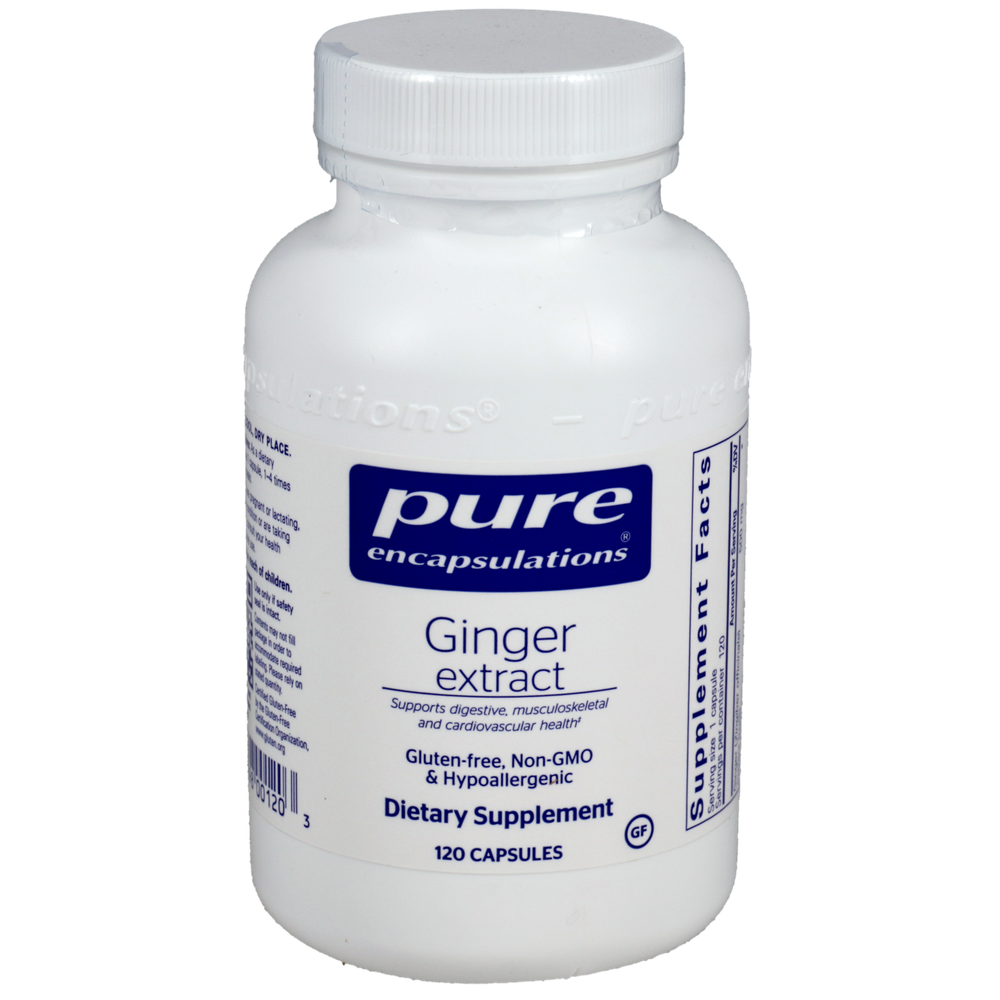
Matched Physical Supplies & Formulations (8)

Frequently Asked Questions — Prescription Depletions, Dosing Rules & HSA/FSA Savings
Which common prescription medications deplete essential nutrients or muscle mass?+
Several widely prescribed drug classes have well-documented micronutrient or body-composition impacts: Metformin reduces ileal Vitamin B12 absorption (monitored per ADA Standards of Care); Statins reduce endogenous Coenzyme Q10 synthesis; Proton Pump Inhibitors (omeprazole, pantoprazole) lower gastric acid needed for B12, non-heme iron, and magnesium uptake; Loop & Thiazide Diuretics increase urinary magnesium, potassium, and thiamine (B1) excretion; and GLP-1/GIP therapies frequently accelerate lean skeletal muscle loss unless paired with resistance training, protein, and creatine/hydration support.
How does IRS Section 213(d) make targeted supplements and recovery gear HSA/FSA eligible?+
While general-wellness vitamins are typically excluded, IRS Code § 213(d) allows HSA and FSA plans to reimburse targeted dietary supplements and orthopedic/monitoring equipment when intended to treat, mitigate, or prevent a specific diagnosed medical condition—substantiated by an itemized receipt plus a signed Letter of Medical Necessity (LMN) mapping your ICD-10-CM diagnosis to the physical supply.
How much money can I save using pre-tax HSA or FSA funds?+
Using pre-tax HSA or FSA payroll dollars avoids federal income tax, FICA payroll tax (7.65%), and applicable state income tax. Most US households save between 22% and 37% (~30% average)—turning a $100 physical item into an effective $70 net out-of-pocket expense.
Which supplements require time separation from thyroid hormones or antibiotics?+
Critical spacing rules prevent medication failure: Levothyroxine (Synthroid, Tirosint) must be taken alone on an empty stomach and separated by at least 4 FULL HOURS from iron, calcium, magnesium, zinc, and multivitamins (and pause high-dose Biotin 48–72 hours before thyroid labs). Fluoroquinolone (ciprofloxacin) and tetracycline (doxycycline) antibiotics must be separated by 2–4 hours from polyvalent cations like iron, magnesium, calcium, and zinc.